Understanding Headless CMS
As a Laravel developer and web consultant, I've seen various content management systems (CMS) come and go. One trend that has gained significant traction recently is the headless CMS. But what does it really mean, and how can it benefit your UK business?
What is a Headless CMS?
In traditional CMS platforms like WordPress or Joomla, the front-end and back-end are tightly integrated. This means the content management and presentation layers are coupled, making it less flexible for developers and content creators alike.
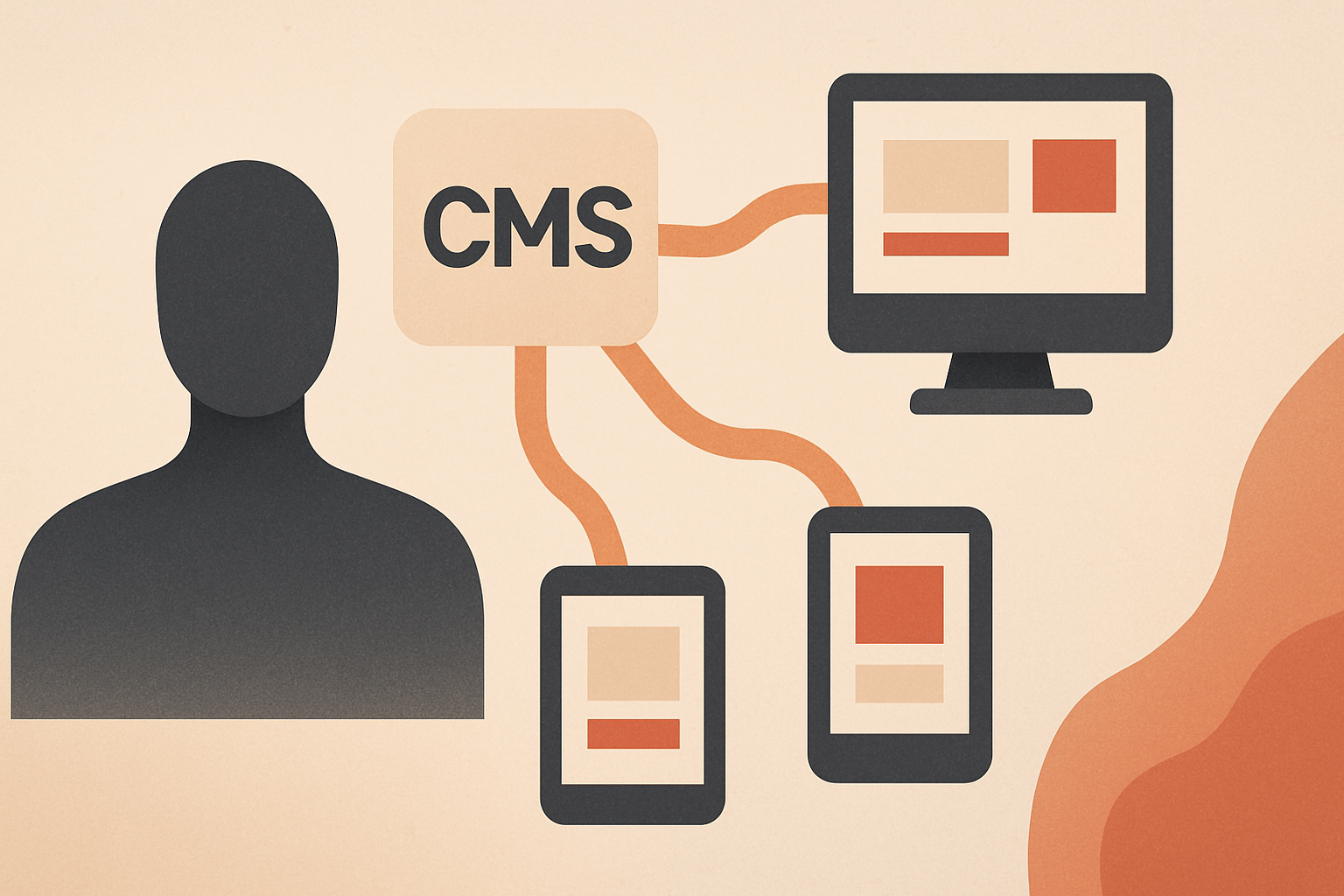
A headless CMS, on the other hand, decouples these two layers. The 'head' (the presentation layer) is separated from the 'body' (the content management layer), allowing developers to use any technology for the front-end while managing content through an API.
Benefits of a Headless CMS
Here are some of the key advantages of adopting a headless CMS for your business:
- Flexibility: You can use any front-end framework such as React, Vue.js, or even mobile app frameworks, which allows for a more tailored user experience.
- Scalability: As your business grows, a headless CMS can easily scale with you, allowing for more complex integrations without the need to overhaul your existing setup.
- Omnichannel Content Delivery: With APIs, you can easily send content to various platforms, including websites, mobile apps, and IoT devices, ensuring a consistent user experience.
- Faster Performance: By serving content via APIs, a headless CMS can improve load times, which is critical for user engagement and SEO.
How a Headless CMS Can Streamline Your Business Operations
Now that we understand what a headless CMS is, let’s explore how it can enhance your business operations, particularly for small businesses in the UK.
1. Improved Workflow Efficiency
Content teams can work independently of developers when using a headless CMS. For instance, a local bakery in Bristol could have their marketing team publish blog posts or update menus without waiting for a developer to make changes. This speeds up the entire process and allows for more agility in marketing efforts.
2. Enhanced User Experience
With the flexibility of a headless CMS, you can create a more tailored user experience. For example, a UK-based e-commerce store can integrate their headless CMS with a modern front-end framework to provide a smoother and faster shopping experience, reducing cart abandonment rates.
3. Centralised Content Management
A headless CMS allows businesses to manage content from a single source. For a multi-location restaurant chain, having a centralised place to manage menu updates and promotions can ensure consistency across all locations, enhancing brand identity.
4. Future-Proofing Your Business
The digital landscape is constantly evolving. By adopting a headless CMS, your business can adapt to new technologies and platforms as they emerge without needing significant changes to your content management processes. This is invaluable for staying competitive in the UK market.
Top 5 Headless CMS Platforms to Consider
If you're considering implementing a headless CMS, here are five popular options to look into:
- Contentful: A highly flexible platform that offers a robust API, perfect for developers wanting custom solutions.
- Strapi: An open-source headless CMS that’s easy to use and allows for customisation according to business needs.
- Sanity: Known for its real-time collaboration features, great for teams needing to work together on content.
- Prismic: Offers a unique content modelling approach that can adapt to various business requirements.
- Ghost: A simpler option, great for blogs and small websites looking to manage content efficiently.
Conclusion
In today's fast-paced digital world, a headless CMS can be a game-changer for UK small businesses. Not only does it streamline operations, but it also provides the flexibility needed to adapt to an ever-changing landscape. If you’re ready to take your content management to the next level, get in touch and let’s discuss how we can implement a headless CMS for your business.


No comments yet. Be the first to comment.